
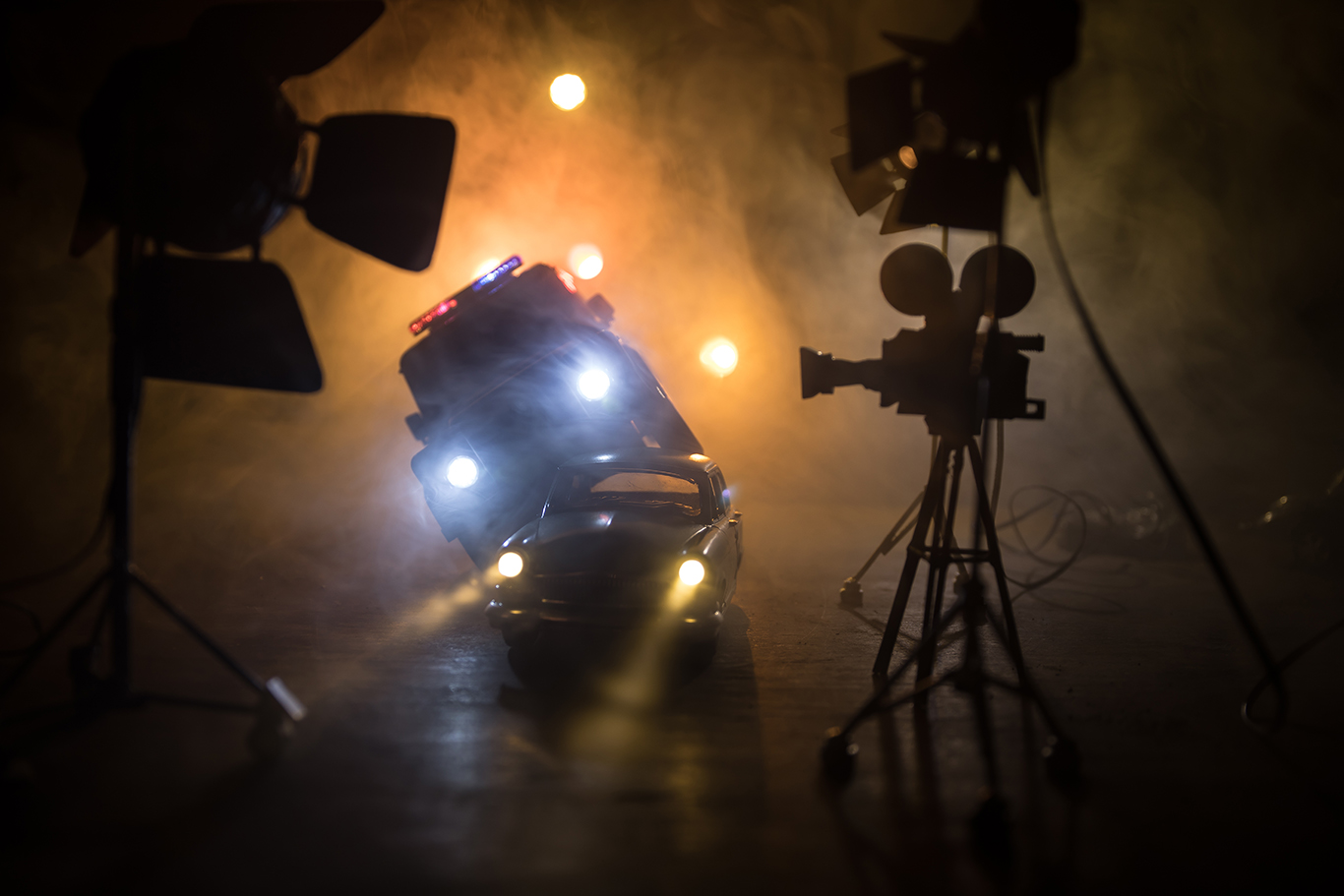
Introduction to Cinematography
Cinematography is the art of visual storytelling in film. It’s the magic that transforms a script into an unforgettable experience. From sweeping landscapes to intimate close-ups, cinematographers craft each frame with precision and creativity. The right use of light, color, and composition can evoke emotions that words often fail to capture.
In an era where viewers are inundated with content, outstanding cinematography sets certain films apart from the rest. It elevates storytelling and immerses audiences in unique worlds. If you’ve ever found yourself mesmerized by a scene’s beauty or struck by its emotional depth, you know just how powerful this aspect of filmmaking can be.
Join us as we explore five movies renowned for their breathtaking cinematography—films that not only tell captivating stories but do so through stunning visuals that linger long after the credits roll. Each selection represents a masterclass in visual artistry worth celebrating!
Importance of Cinematography in Film
Cinematography is the heartbeat of a film. It breathes life into the story, transforming written words into visual poetry. Every frame captures emotions, moods, and themes that dialogue alone cannot convey.
The choice of lighting can evoke feelings ranging from warmth to despair. Shadows create tension, while bright colors can signify joy or chaos. The camera angles shape our perspective and guide our emotional journey through the narrative.
Moreover, cinematography defines a film’s unique style. Directors collaborate with cinematographers to develop an aesthetic that resonates with audiences long after viewing. Iconic visuals linger in memory.
In an industry where imagery speaks volumes, outstanding cinematography elevates storytelling. It immerses viewers deeply into worlds crafted by filmmakers’ visions—making them feel every triumph and heartache alongside the characters on screen. Each shot becomes a brushstroke on the canvas of cinema itself.
The Top Five Movies with Outstanding Cinematography:
Cinematography breathes life into a film, transforming scripts into visual masterpieces. The artistry behind the lens can elevate storytelling to new heights.
Blade Runner 2049 stands out with its hauntingly beautiful visuals. Roger Deakins’ work creates a dystopian world that feels both alien and familiar.
Roma showcases Alfonso Cuarón’s intimate touch. Every frame tells a story, capturing raw emotion and everyday moments in stunning black-and-white imagery.
Inception takes viewers on a mind-bending journey through layered realities. Its striking visuals enhance the intricate plot twists, making each scene unforgettable.
Mad Max: Fury Road redefines action cinematography with its frenetic energy. Impeccable framing and vibrant colors pull audiences right into the chaos of the wasteland.
The Grand Budapest Hotel is an aesthetic delight. Wes Anderson’s meticulous composition and color palettes create whimsical yet profound narratives in every shot. Each movie offers a unique perspective on outstanding cinematography.
A. Blade Runner 2049
“Blade Runner 2049” is a visual masterpiece that pushes the boundaries of modern cinematography. Directed by Denis Villeneuve, this sequel to the iconic original offers a stunning blend of neon lights and vast landscapes.
Roger Deakins, the film’s cinematographer, masterfully captures the desolation and beauty of a dystopian future. Each frame feels like a carefully crafted painting. The use of color plays an essential role; deep blues contrast with fiery oranges, creating emotional depth.
Key scenes showcase long takes that immerse viewers in this haunting world. The moment K walks through a glowing cityscape or when he encounters Joi in her digital realm transforms ordinary moments into extraordinary visuals.
Deakins’ work on “Blade Runner 2049” earned him an Academy Award for Best Cinematography—a testimony to his excellence in capturing complex narratives through striking imagery. The film redefines what audiences expect from cinematic storytelling today.
B. Roma
“Roma,” directed by Alfonso Cuarón, is a masterclass in visual storytelling. The film’s cinematography captures the essence of 1970s Mexico City with stunning authenticity.
Cuarón’s collaboration with cinematographer Emmanuel Lubezki yields breathtaking black-and-white imagery. Each frame resembles a carefully composed photograph, rich in detail and emotion. The use of long takes immerses viewers into the life of Cleo, the central character.
Key scenes effortlessly blend personal moments with broader social commentary. One standout sequence showcases Cleo amidst chaos during a protest—a powerful juxtaposition that highlights her vulnerability against societal turmoil.
Natural light plays an essential role throughout “Roma.” Shadows dance across faces and landscapes, infusing every scene with depth and texture. This approach evokes nostalgia while grounding the story in reality.
The film transcends traditional narratives through its visual poetry, leaving lasting impressions on audiences worldwide.
C. Inception
Inception stands out as a masterpiece of visual storytelling. Directed by Christopher Nolan, this film explores the intricate layers of dreams, where reality blurs into illusion.
The cinematography by Hoyte van Hoytema is nothing short of breathtaking. Each frame feels meticulously crafted to enhance the narrative’s complexity. The use of contrasting colors and dynamic lighting immerses viewers in its surreal world.
One unforgettable scene features Paris folding upon itself. This visual trickery not only captivates but also serves a deeper purpose within the plot. It showcases how dreams can manipulate space and time.
Additionally, the zero-gravity fight sequence redefines action cinema. With fluid camera movements and clever choreography, it creates an exhilarating experience that resonates long after viewing.
Every shot in Inception invites audiences to ponder meaning while marveling at technical execution—making it one of the five best movies for cinematography ever created.
D. Mad Max: Fury Road
“Mad Max: Fury Road” is a visual masterpiece that redefined action cinema. Directed by George Miller, it immerses viewers in a post-apocalyptic wasteland where every frame bursts with energy and creativity.
The film’s cinematography, led by John Seale, captures the raw intensity of high-octane chases. Each shot meticulously frames the chaos surrounding Max Rockatansky and Furiosa as they navigate through blistering sandstorms and explosive battles.
Colors play a pivotal role here. The contrasts between desolate landscapes and vibrant costumes create an otherworldly feel.
Notable scenes like the “pursuit” sequence showcase dynamic camera work that pulls you right into the heart of the action. You can almost feel the grit of metal against metal.
This relentless style not only captivates audiences but also influences filmmakers worldwide to push boundaries in visual storytelling.
E. The Grand Budapest Hotel
Wes Anderson’s “The Grand Budapest Hotel” is a visual feast. Its distinct color palette and symmetrical framing create an enchanting world that feels both whimsical and meticulously crafted.
Each scene bursts with vibrant hues, from the pastel pinks of the hotel exterior to the rich tones of its interiors. The meticulous attention to detail immerses viewers in a nostalgic European landscape.
Cinematographer Robert Yeoman employs unique techniques like wide-angle lenses and clever camera movements, transforming ordinary moments into cinematic art. Every shot feels deliberate, contributing to the film’s fairy-tale quality.
Anderson’s playful storytelling meshes seamlessly with striking visuals. The quirky characters pop against this colorful backdrop, enhancing their eccentricities while inviting audiences deeper into their adventures.
This film is not just about storytelling; it’s about crafting an experience where every frame tells its own story through exceptional cinematography.
Analysis and Breakdown of Key Scenes in Each Movie
In “Blade Runner 2049,” the scene where K discovers the buried tree is visually striking. The contrast between the vibrant green of nature and the desolation surrounding it creates a profound sense of hope amidst despair.
“Roma” showcases an intimate moment during the New Year’s Eve party. The use of natural light flooding through windows captures both joy and melancholy, enhancing emotional depth in every frame.
“Inception’s” famous city-bending scene is a masterclass in visual effects and cinematography. The seamless transition from reality to dreams captivates viewers, blurring lines between what is possible and impossible.
Mad Max: Fury Road delivers relentless action with stunning wide shots that highlight vast landscapes. Each chase sequence feels immersive, pulling audiences into its chaotic universe.
The Grand Budapest Hotel uses symmetry brilliantly. Every meticulously crafted shot resembles a painting, inviting viewers into Wes Anderson’s whimsical world filled with color and detail.
Impact on the Film Industry
The impact of outstanding cinematography on the film industry is profound. It elevates storytelling, creating immersive worlds that resonate with viewers. Films celebrated for their visual artistry often set new standards.
Directors and cinematographers collaborate closely, pushing creative boundaries. Their innovations influence emerging filmmakers, inspiring a wave of fresh ideas and techniques.
Cinematography isn’t just aesthetics; it shapes narratives and emotions. Iconic visuals can leave lasting impressions, making certain films unforgettable classics.
Audiences increasingly appreciate the art behind camera work. This recognition drives studios to invest in talented cinematographers, knowing quality visuals attract attention in a crowded market.
As technology evolves, so does the medium itself. From drones to virtual reality rigs—cinematographic advancements redefine how stories are told today. These changes signal an exciting era where creativity knows no bounds within the cinematic landscape.
Other Films Worth Mentioning for their Cinematography
While the top five movies stand out for their stunning visuals, several other films deserve recognition.
“1917” captivated audiences with its innovative one-shot technique. Roger Deakins’ masterful work immerses viewers in the chaos of war, making every moment feel real and urgent.
“Tree of Life,” directed by Terrence Malick, is a visual poetry experience. The film’s breathtaking imagery blends nature and human existence seamlessly, inviting deep reflection.
Another notable mention is “The Revenant.” Emmanuel Lubezki’s use of natural light enhances the raw beauty of survival against harsh landscapes.
“Skyfall,” part of the James Bond series, combines thrilling action sequences with striking cinematography. It showcases both urban environments and dramatic settings uniquely.
Lastly, “Dunkirk” employs non-linear storytelling paired with vivid imagery to create tension. Each frame contributes to an unforgettable cinematic journey through time and conflict.
The Beauty of Cinematography
Cinematography is an art form that can elevate a film from good to extraordinary. The five movies mentioned showcase how powerful visual storytelling can be, each bringing its unique aesthetic and emotional depth. Blade Runner 2049 captivates with its haunting visuals, while Roma immerses viewers in the intimate beauty of everyday life. Inception plays with reality through mind-bending imagery, Mad Max: Fury Road delivers adrenaline-pumping action wrapped in stunning landscapes, and The Grand Budapest Hotel invites audiences into a whimsical world filled with meticulous detail.
These films not only highlight the importance of cinematography but also inspire future filmmakers to push creative boundaries. As technology advances and new styles emerge, the possibilities for cinematic expression continue to expand.
For those looking beyond these five standout examples, several other films deserve recognition for their breathtaking cinematography. Films like “1917,” known for its seamless one-shot approach, or “The Tree of Life,” which combines nature’s beauty with philosophical themes are just as noteworthy.
Exploring these masterpieces reveals how vital cinematography is in shaping our viewing experience. It’s an essential ingredient that makes stories resonate deeply within us long after we’ve left the theater. Each frame tells a story; it’s up to us as viewers to appreciate every moment on screen.