Introduction: The Importance of Punctuation in Writing
Punctuation is often the unsung hero of writing. It’s like the traffic lights on a busy intersection; without it, chaos ensues. Good punctuation not only clarifies your message but also enhances readability and keeps readers engaged. However, for many writers, punctuating correctly can feel like navigating a minefield. Editors encounter countless errors that can make even the best content fall flat. The truth is, those tiny marks hold significant power over how your writing is perceived. Let’s dive into some common mistakes that drive editors crazy and explore ways to elevate your punctuation game!
Common Punctuation Mistakes and How to Avoid Them
Punctuation can make or break your writing. Many writers stumble over common mistakes that editors notice immediately.
One frequent error is the misuse of commas. Writers often forget them entirely or use too many, leading to run-on sentences. A simple rule: pause when you read aloud; if you need a breath, insert a comma.
Another common pitfall is the apostrophe confusion—especially with possessives and contractions. Remember, “it’s” means “it is,” while “its” shows ownership.
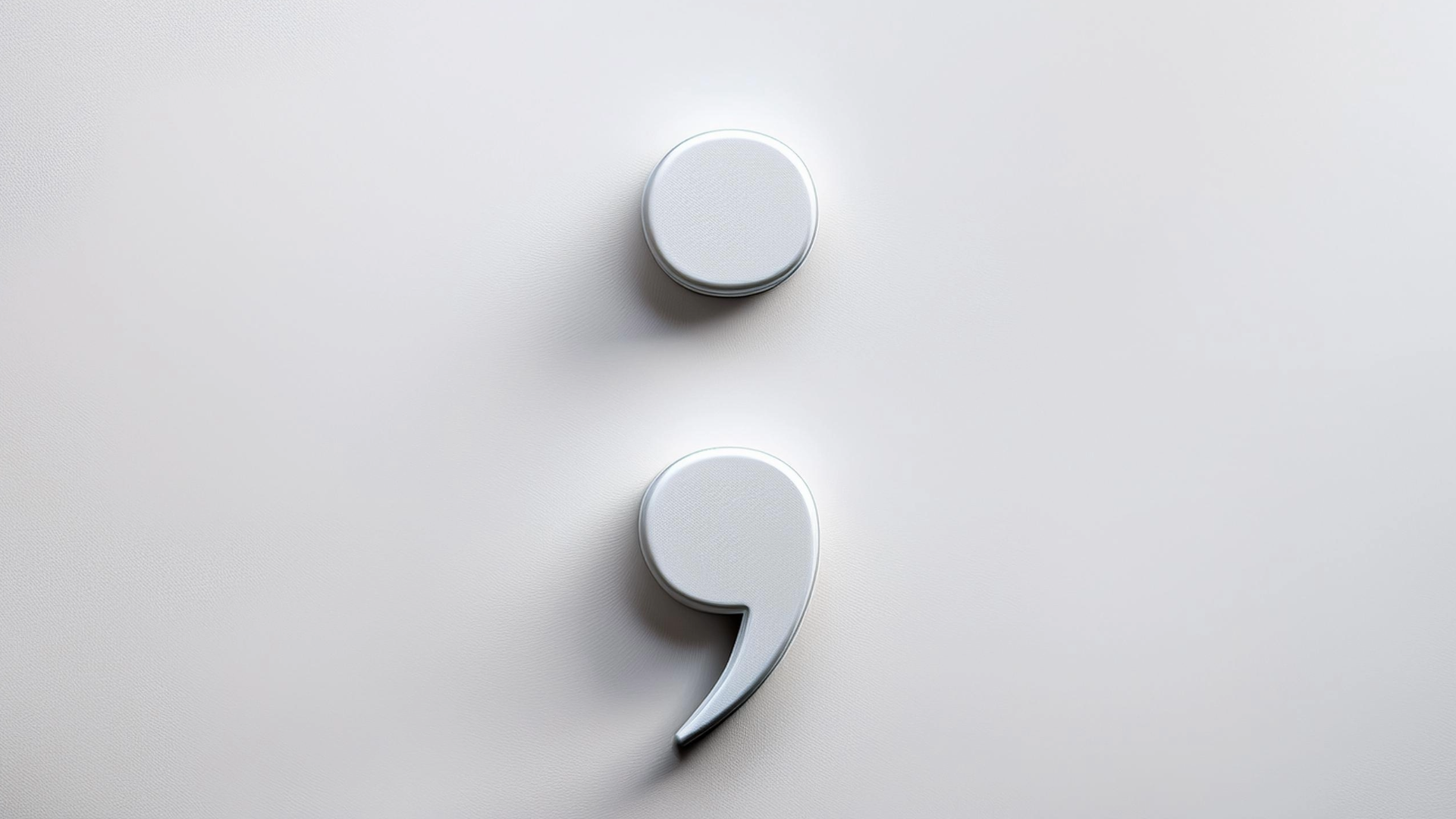
Semicolons are also misused regularly; they’re not just decorative! Use them to link closely related independent clauses.
Don’t overlook quotation marks. Ensure they’re used correctly for dialogue or citations but avoid unnecessary embellishment around titles.
By familiarizing yourself with these pitfalls and practicing proper usage, you’ll impress editors and elevate your writing quality significantly.
The Oxford Comma Debate: To Use or Not to Use?
The Oxford comma, a small yet mighty punctuation mark, often stirs heated debates among writers and editors.
Supporters argue it clarifies meaning. For instance, “I love my parents, Oprah Winfrey and God” can imply your folks have achieved celebrity status without the comma. Adding it changes everything: “I love my parents, Oprah Winfrey, and God.” Clarity triumphs.
On the flip side, detractors see it as unnecessary clutter in simple lists. They prefer to keep sentences streamlined and less formal.
Different style guides offer varying guidance on its use. The Chicago Manual of Style embraces it wholeheartedly while AP Style takes a more minimalist approach.
Choosing whether to include the Oxford comma depends on personal preference or adherence to specific guidelines. Whichever side you choose may influence how readers interpret your message—so tread carefully!
Commonly Confused Punctuation Marks
Punctuation marks can be tricky. Some of them look similar but serve different purposes.
Take the semicolon and colon, for example. A semicolon links two independent clauses that are closely related. A colon introduces a list or explanation to follow. Misusing these can confuse your readers.
Then there’s the apostrophe versus the quotation mark. An apostrophe indicates possession or contractions, while quotation marks enclose direct speech or titles of short works. Mixing them up can distort meaning entirely.
Don’t forget about the dash and hyphen! The dash adds emphasis or indicates a range, whereas a hyphen connects words in compound modifiers.
These small symbols carry significant weight in writing clarity. Understanding their distinctions is essential for effective communication and keeping editors happy!
Tips for Proper Punctuation Usage
Punctuation is your best friend when it comes to clear communication. To ensure your writing shines, take the time to learn basic rules. Familiarize yourself with common punctuation marks and their functions.
When using commas, remember they help separate ideas within a sentence. Avoid overusing them; too many can confuse readers rather than clarify meaning.
For quotation marks, always use the correct placement for dialogue or direct quotes. Misplacing them can lead to misunderstandings.
Don’t forget about apostrophes—these tiny symbols indicate possession or contractions. A simple error here can change the entire context of a sentence.
Read your work aloud after punctuating it. Hearing how it flows helps pinpoint awkward spots and missing punctuation marks that might have slipped through unnoticed.
Proofreading Tools to Catch Punctuation Errors
In today’s digital age, proofreading tools are essential for any writer. They can save time and improve the overall quality of your work. Many popular options are designed specifically to catch punctuation mistakes.
Grammarly is a favorite among writers. It not only highlights errors but also provides suggestions for improvement. This tool seamlessly integrates into various platforms, making it easy to use across different writing tasks.
Another excellent choice is ProWritingAid. This software offers in-depth analysis beyond basic punctuation checks, helping you understand common pitfalls in your writing style.
For those seeking simplicity, Hemingway Editor focuses on clarity and readability while flagging punctuation issues that may confuse readers.
Using these tools helps maintain professionalism in your writing by ensuring that even the smallest details don’t slip through the cracks. With technology at our fingertips, there’s no excuse for careless mistakes anymore!
Conclusion: The Importance of Paying Attention to Punctuation in Your Writing
Punctuation is more than just a collection of symbols; it’s the backbone of effective communication. When used correctly, punctuation enhances clarity and ensures your message is understood as intended. Mistakes can lead to misunderstandings or misinterpretations—something every writer wants to avoid.
Editors pay close attention to the details, and punctuation mistakes can be particularly frustrating for them. They often serve as a reflection of one’s writing skills and professionalism. By honing your punctuation knowledge, you not only improve your writing but also make life easier for those who read it.
Whether it’s mastering the use of commas or understanding when to employ an Oxford comma, being mindful of these elements contributes significantly to polished work. Investing time in proofreading tools can further aid in catching errors that might slip through unnoticed.
Paying careful attention to punctuation will elevate your writing style and leave a positive impression on readers—and editors alike. Every mark matters when conveying ideas clearly and effectively.